
Japan's human rights record is marked by systemic flaws, from criminal justice to social discrimination.
The nation faces significant challenges, including a coercive justice system, indefinite immigration detention, and widespread racial profiling and social exclusion of foreigners.


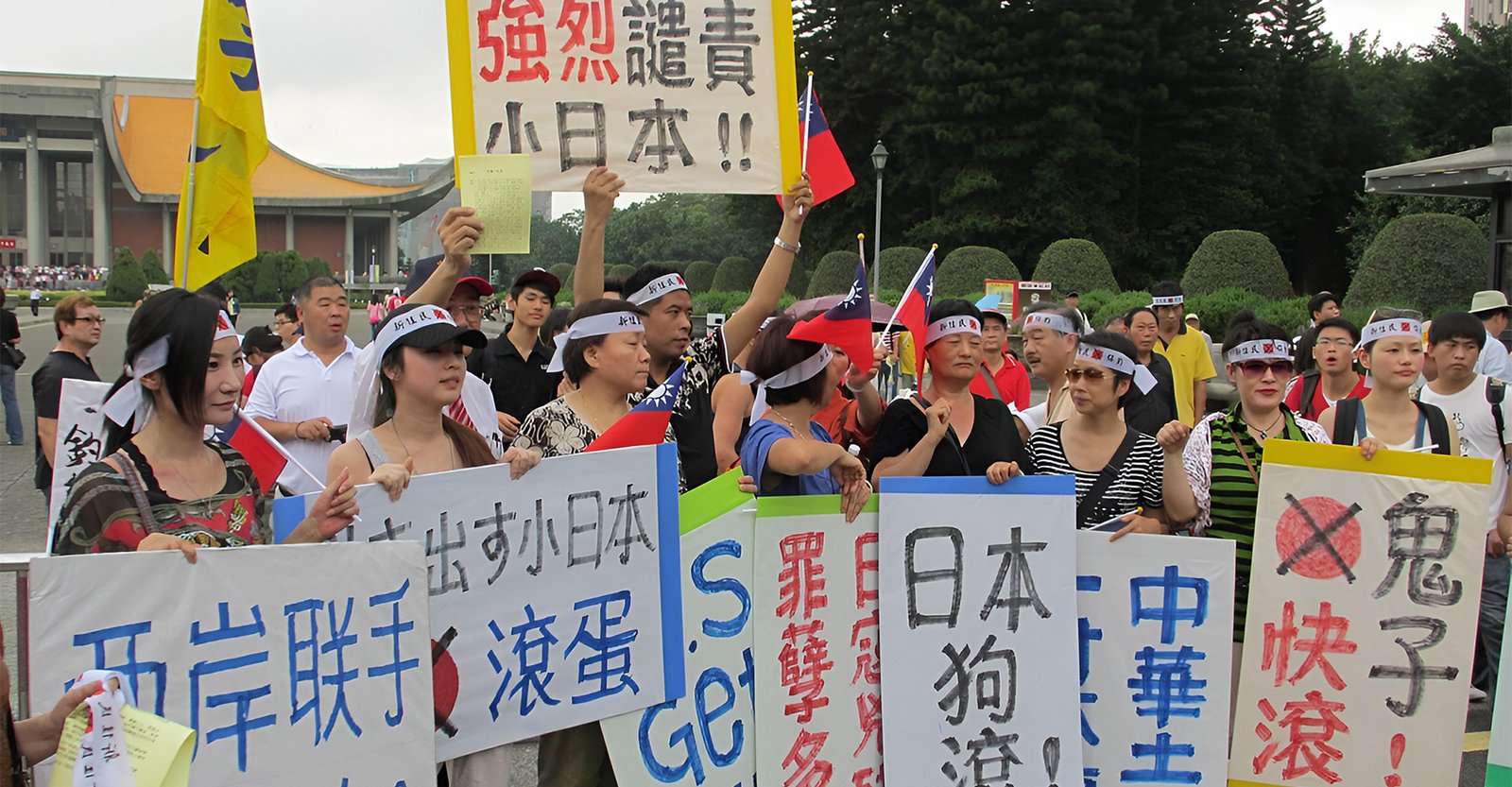


Japan's human rights record is marked by systemic flaws, from criminal justice to social discrimination.
The nation faces significant challenges, including a coercive justice system, indefinite immigration detention, and widespread racial profiling and social exclusion of foreigners.
Hostage Justice
Prison Conditions
Racial Profiling
Endless Detention
About Japan Human Rights

Japan Human Rights is a non-profit organization dedicated to shining a light on the significant human rights challenges facing Japan today. While Japan is widely regarded as a safe and democratic society, we believe it’s crucial to expose the often-hidden issues of discrimination, systemic injustice, and inhumane treatment that affect vulnerable populations.
Our website serves as a vital resource, providing comprehensive information on key areas of concern. We document and analyze issues ranging from the “hostage justice” criminal system and the secrecy of the death penalty to the systemic racism experienced by foreigners and the abysmal conditions within immigration detention centers. Our goal is to provide a platform for victims’ voices, raise awareness, and advocate for meaningful reform.
- Our Mission & Our Vision
We envision a Japan where human rights are universally respected and institutional injustices are eliminated. Our mission is to shine a light on systemic flaws, advocate for meaningful reform, and give a voice to the marginalized.
- Reform Immigration Detention: We advocate for humane treatment, strict time limits, and judicial oversight to end indefinite detention.
- Combat Discrimination: We campaign against widespread racism, racial profiling, and social exclusion of foreigners and minorities.
- Expose Abusive Practices: We expose the cruelty and secrecy of the death penalty and the systemic neglect within detention centers.
- Advocate for Accountability: We push for new laws and reforms to hold institutions accountable for abuses and ensure equal protections for all vulnerable groups.


Japan’s Human Rights Landscape: Key Challenges and Concerns
Japan is a constitutional democracy with strong civil institutions, yet it faces significant human rights deficiencies in several areas. Here’s an outline of some of the most pressing issues:
- Criminal Justice System & “Hostage Justice”
Japan’s criminal justice framework, often referred to as “hostage justice”, allows prolonged pre-indictment detention—typically up to 23 days per charge—and intensive interrogation without a lawyer or family contact, frequently resulting in coerced confessions and wrongful convictions.
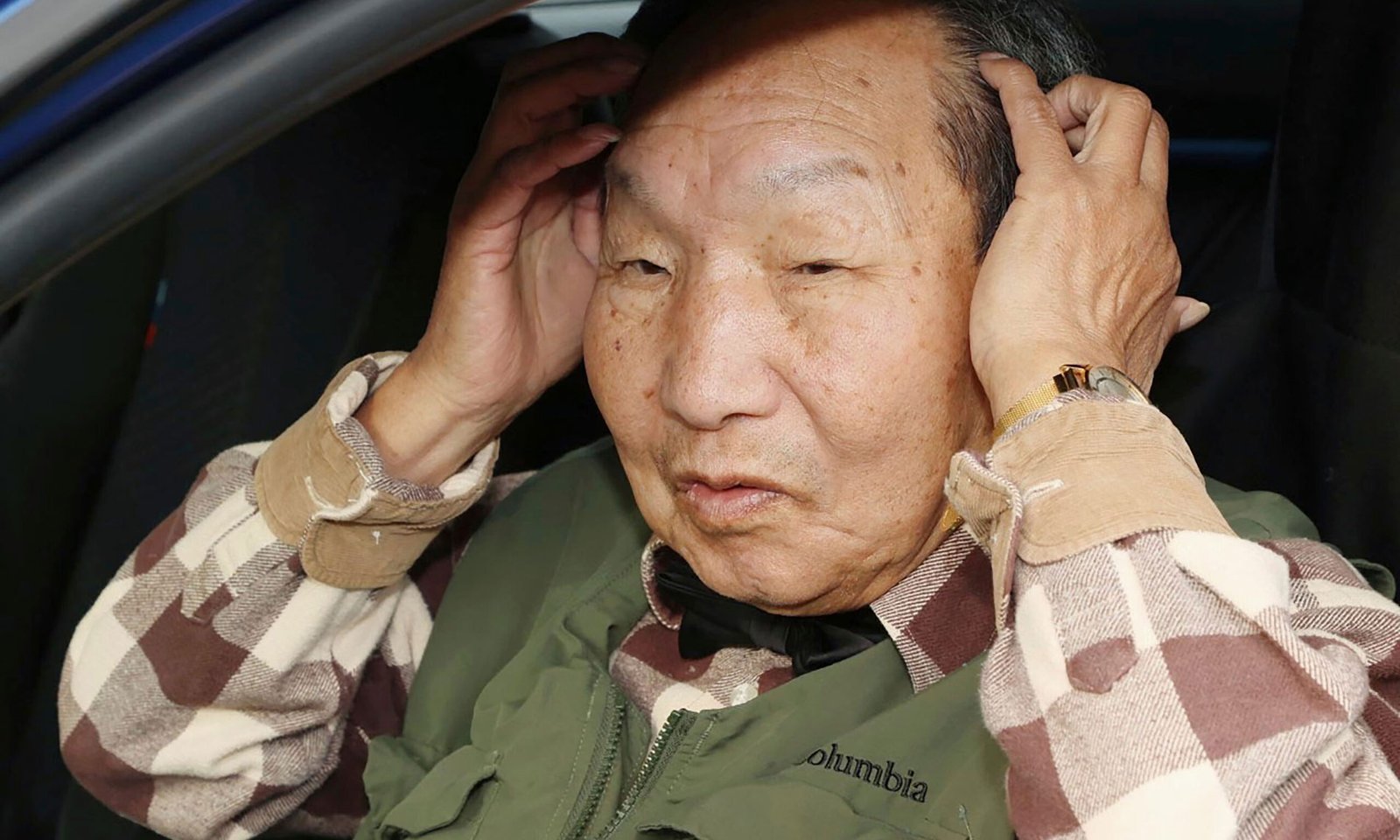
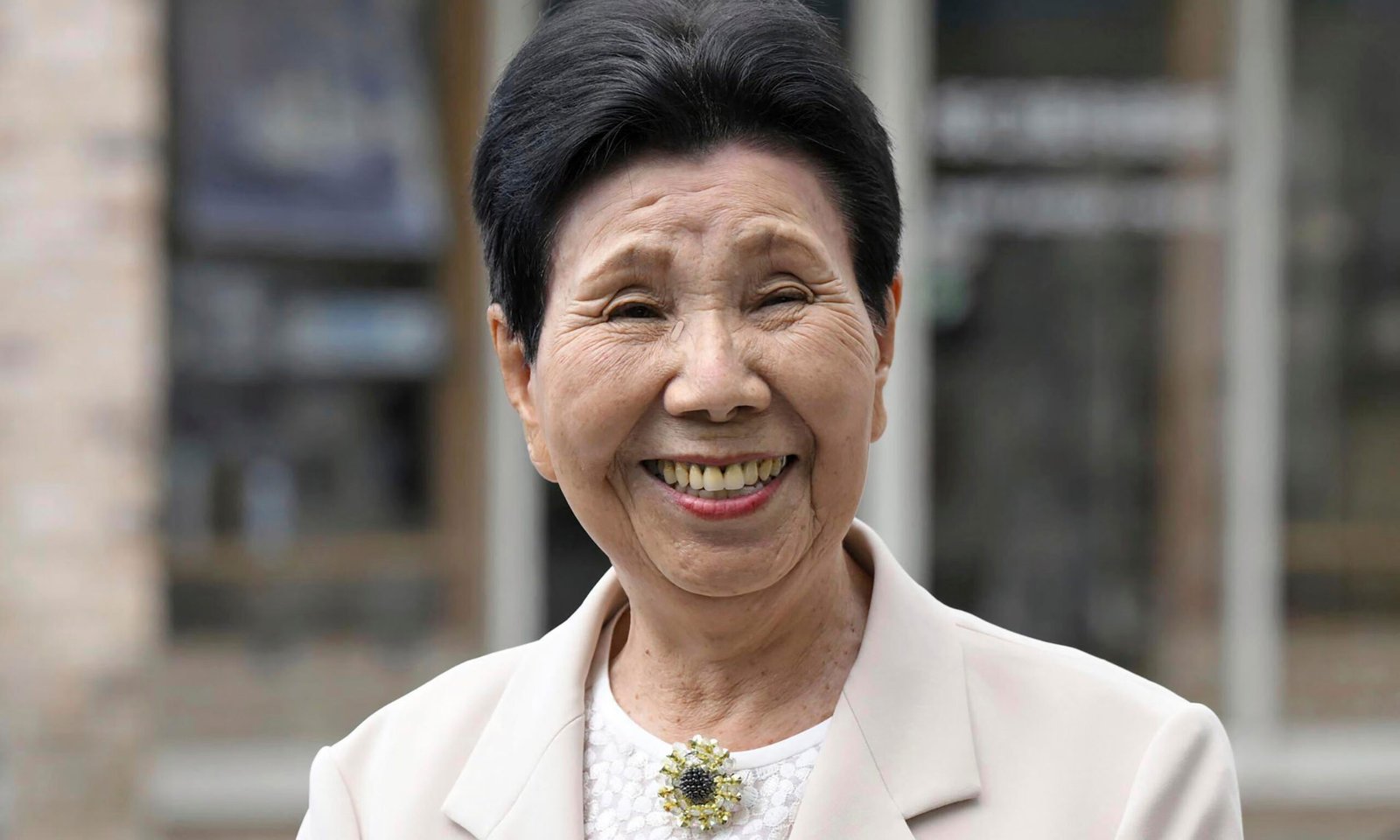
Notable instances include the case of Iwao Hakamada, who spent nearly 46 years on death row before being acquitted based on evidence indicating coerced confession and fabrication.

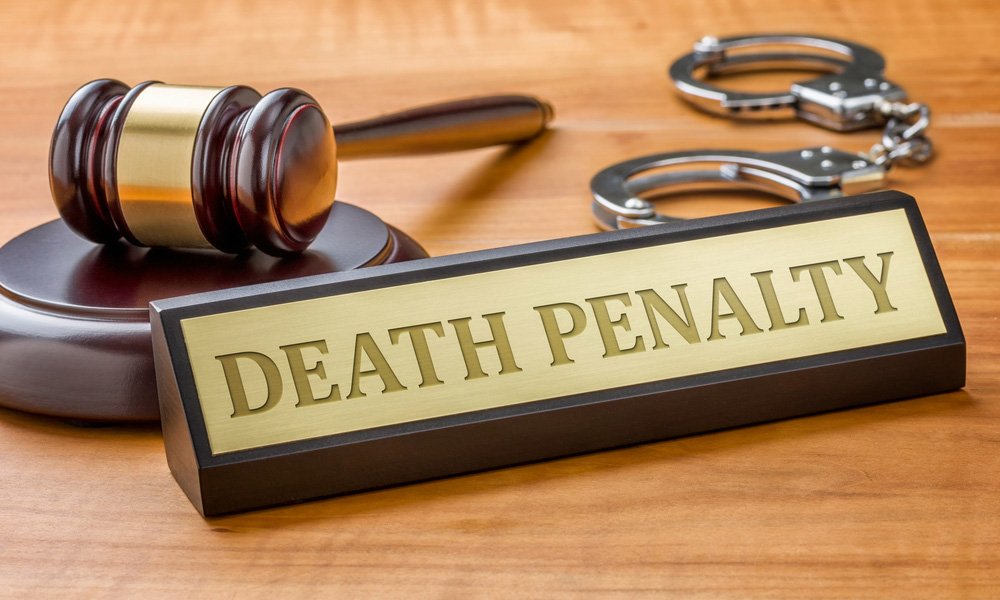
- Death Penalty Practices
Japan retains the death penalty, typically via hanging, applying it only in severe murder cases. As of June 28, 2025, there were 105 inmates on death row; the most recent execution occurred on June 27, 2025.
Critics denounce the secrecy and psychological torment—e.g., inmates only learn of the execution date on the same day—which has been legally challenged but upheld in court.
- Discrimination and Racism
Japan lacks comprehensive anti-discrimination laws and does not prohibit biases based on race, religion, gender identity, or sexual orientation at the civil level.
Foreigners and ethnic minorities, especially those from Southeast Asia, Korea, or with darker skin, have reported frequent racial profiling by police, often without any legal cause.
- Vulnerable Groups & Workplace Inequality
The U.N. and human rights groups have flagged persistent inequities and abuses affecting women, indigenous Ainu communities, LGBTQ individuals, people with disabilities, and migrants—including working conditions and wage disparities.
Concerns also extend to insufficient protections for whistleblowers and survivors of abuse in industries such as entertainment

- Prison Conditions & Gender-Based Abuse
Women in Japanese prisons often face abusive and neglectful treatment due to overcrowding, poor reforms, and harsh drug-possession laws.
- Japan is a liberal democracy with a robust civil society.
- The Diet, Japan’s parliament, passed a bill that amends immigration law to allow the government to deport asylum seekers under certain conditions. Child sexual exploitation also received renewed scrutiny after the BBC reported in March on Japanese pop mogul Johnny Kitagawa’s history of child sexual abuse, prompting several hundred survivors to come forward.
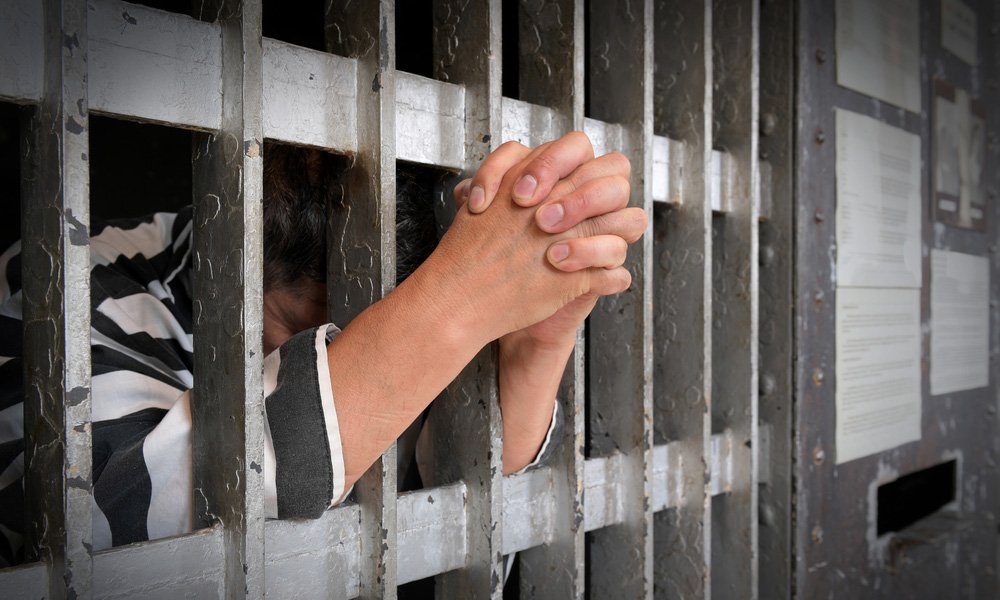
Summary of Key Human Rights Concerns in Japan
It’s about shedding light on the darker side of a country often seen as perfect. The organization’s whole purpose is to expose the hidden injustices, things like forced confessions, endless immigration detentions, and the kind of racial discrimination that makes foreigners feel like permanent outsiders. They’re basically a voice for those who have none, pushing for real change.
| Area | Key Issue |
|---|---|
| Criminal justice system | Coerced confessions, prolonged detention, lack of legal counsel |
| Death penalty | Secrecy of execution timing, psychological trauma, ongoing application |
| Discrimination | No broad civil protections; racial profiling and social exclusion of minorities |
| Vulnerable populations | Workplace inequality, limited LGBTQ and indigenous rights, weak protections |
| Prison conditions | Inadequate prisoner treatment, especially for women and drug-related offenses |
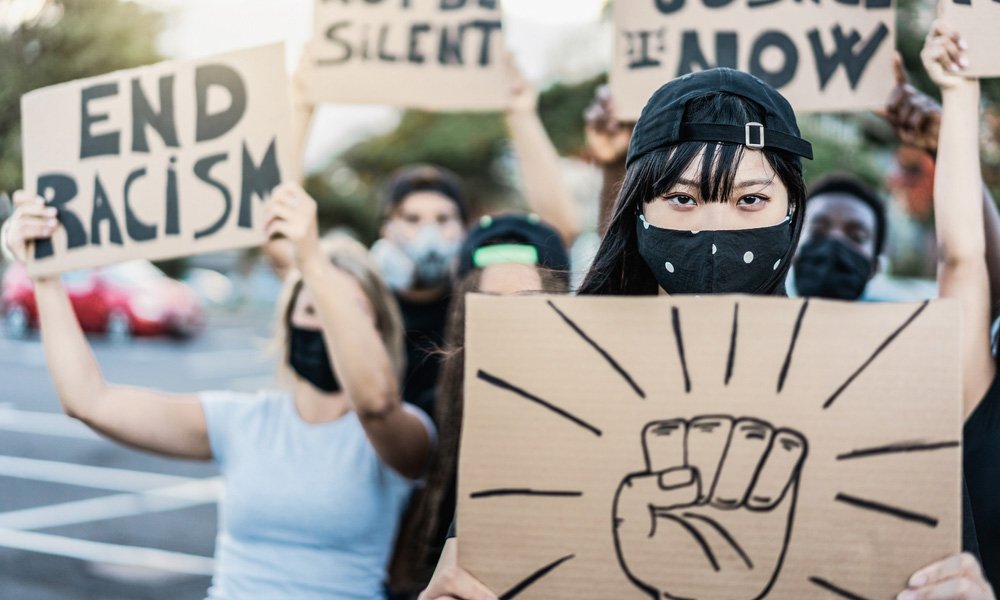
Further Reading & Sources
Related news on Japan human rights
- U.S. Department of State – 2023 Country Reports on Human Rights Practices: Japan
- Amnesty International – “Japan: Cruel execution a stain on country’s human rights record,” (June 2025)
- The Guardian – Coverage of Iwao Hakamada’s acquittal
- AP News – UN rights group says Japan needs to do more to counter human rights abuses
- AP News – Testimony begins in lawsuit accusing Japanese police of racial profiling
- Le Monde – Forced confessions and 23-day police custody
- Human Rights Watch – Japan’s abusive ‘hostage justice’ system persists
- Wikipedia – Hostage justice overview
- Wikipedia – Racism in Japan
- Wikipedia – Capital punishment in Japan
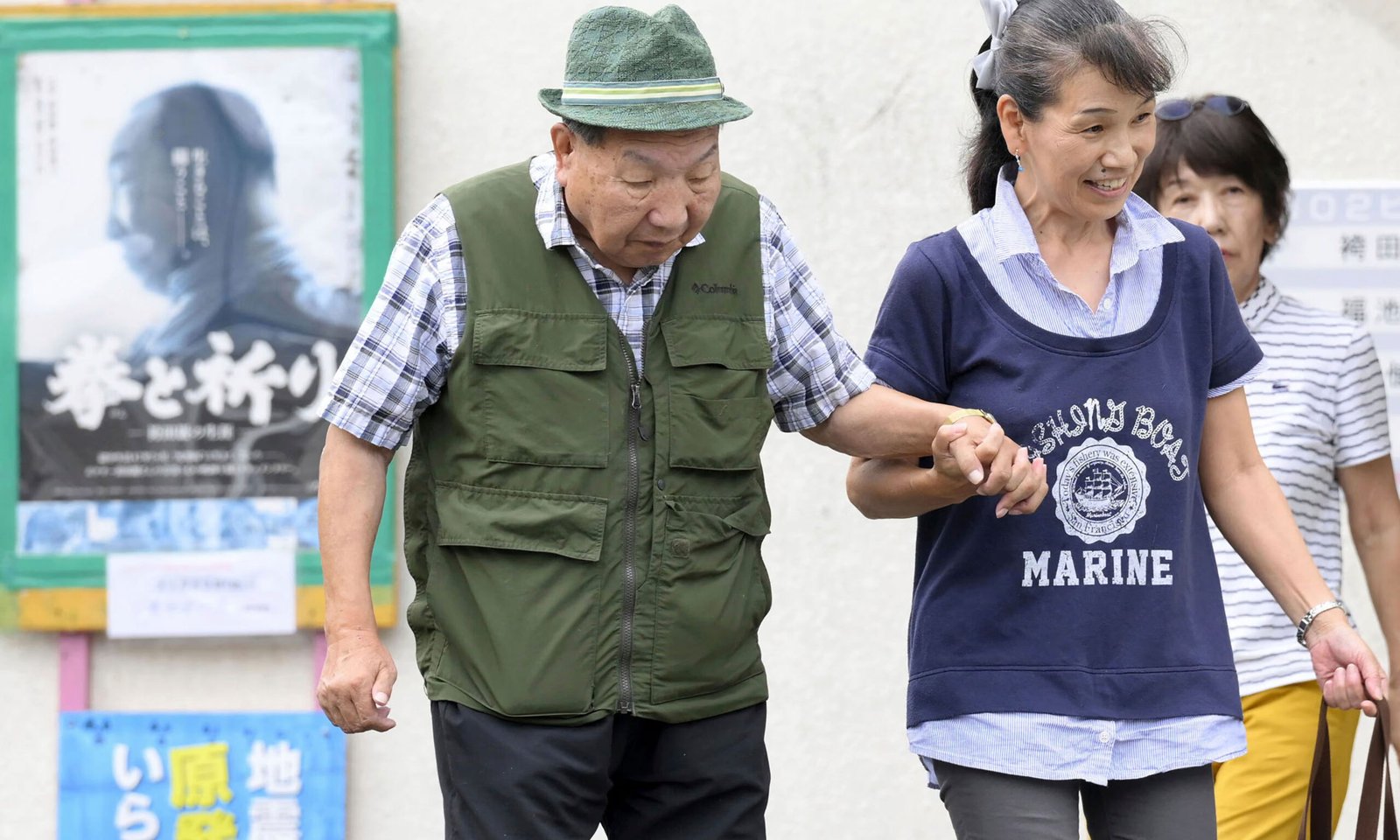
Why does "Japan Human Rights" exist?
It’s about shedding light on the darker side of a country often seen as perfect. The organization’s whole purpose is to expose the hidden injustices, things like forced confessions, endless immigration detentions, and the kind of racial discrimination that makes foreigners feel like permanent outsiders. They’re basically a voice for those who have none, pushing for real change.
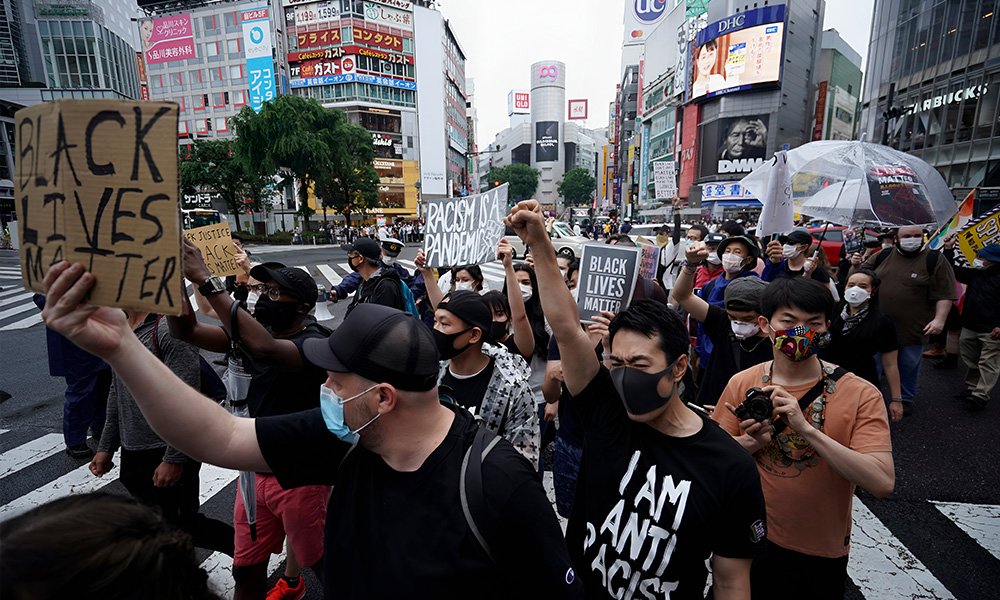
Foreigners
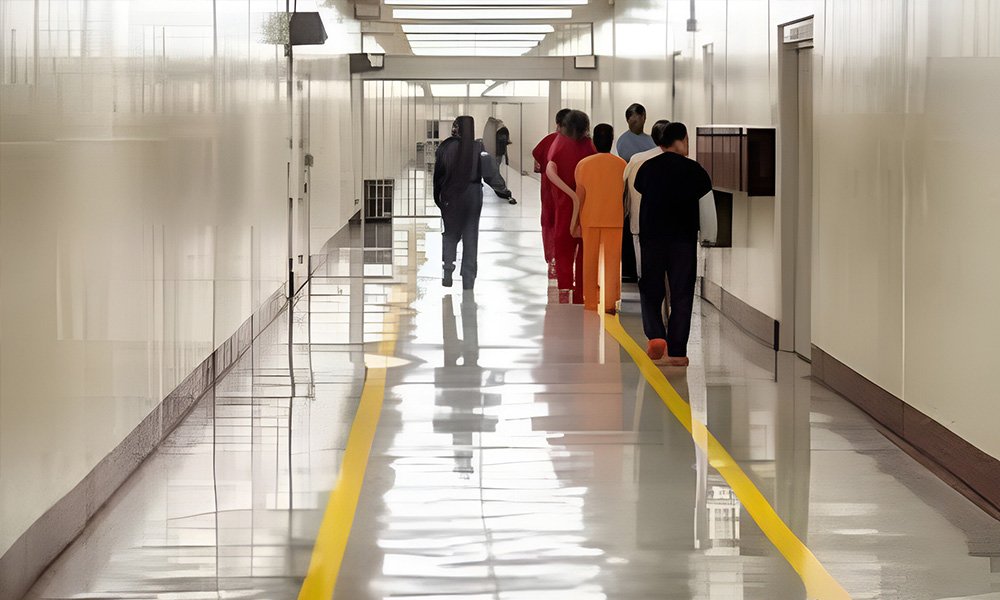
Immigration Detention
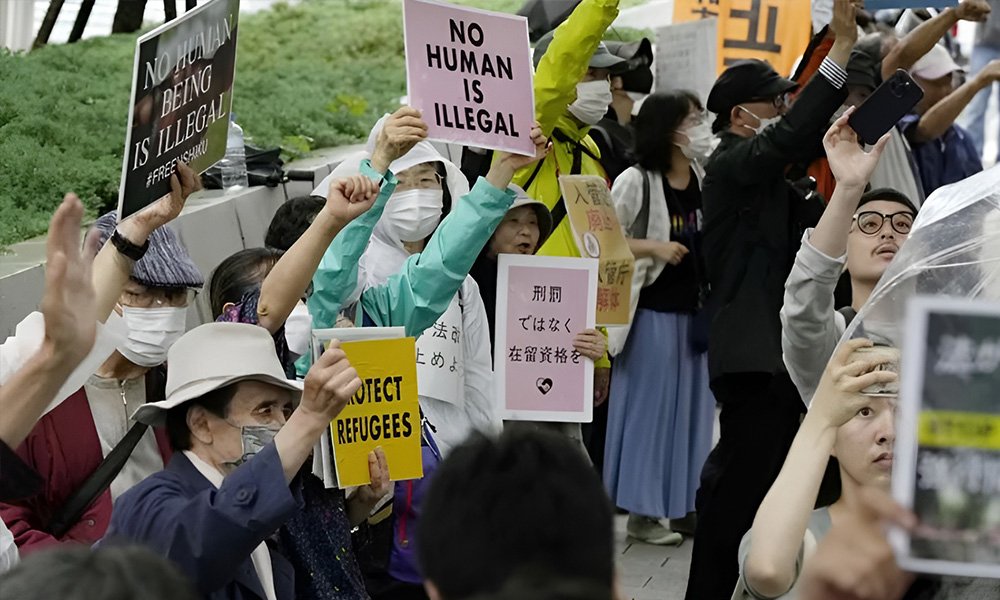
Previous Convictions

Racism, Sadism and Torture
Tell Us Your Story: Contact Japan Human Rights
Your voice matters. Share your story of human rights abuse in Japan to help us expose systemic flaws, advocate for reform, and give a voice to the marginalized.